

The Comparison Trap
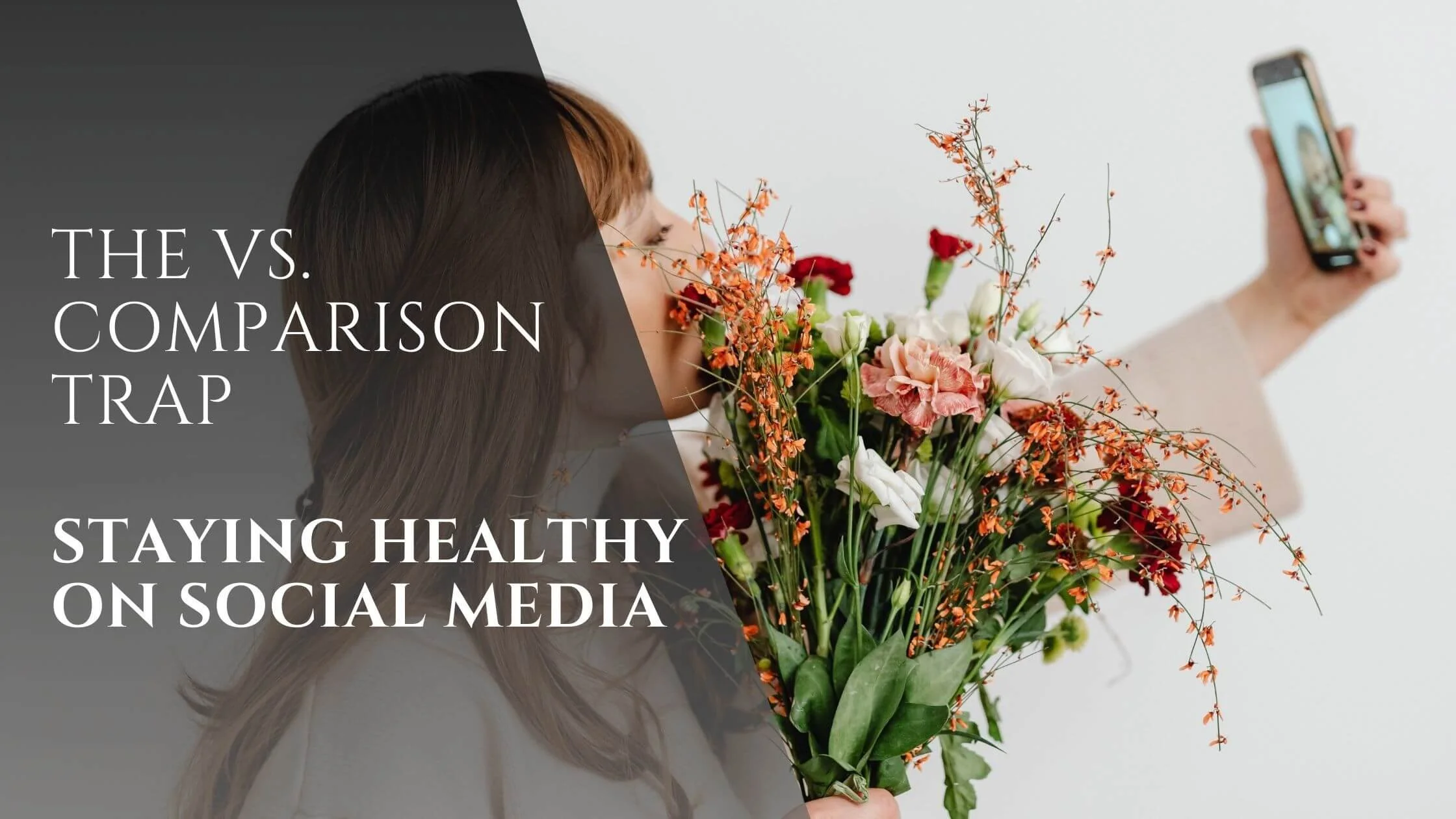
How Social Media Wellness Culture Makes You Feel Worse (And What to Do About It)
She wakes at 5 AM for yoga, prepares an elaborate açai bowl, journals in golden morning light, and still manages to look effortlessly beautiful whilst meditating. Her life seems perfect—and yours feels inadequate in comparison. Welcome to social media wellness culture, where every scroll reminds you that you're not doing enough, being enough, or glowing enough. But what if the problem isn't you—it's the platform?
The Research on Social Comparison
Social comparison theory, first proposed by psychologist Leon Festinger in 1954, explains our tendency to evaluate ourselves by comparing to others. Whilst this served evolutionary purposes, social media has weaponised it. Research published in the Journal of Social and Clinical Psychology found that limiting social media use to 30 minutes per day led to significant reductions in loneliness and depression compared to control groups.
The mechanism involves what researchers call "upward social comparison"—comparing ourselves to those we perceive as better off. A comprehensive study published in Cyberpsychology, Behaviour, and Social Networking examining Instagram use found strong correlations between time spent on the platform and symptoms of anxiety, depression, and poor body image, with comparison behaviours mediating these effects.
The Wellness Industry's Instagram Problem
Wellness content specifically creates unique psychological challenges. Unlike obviously curated content from celebrities, wellness influencers present themselves as "authentic" and "relatable"—making their seemingly perfect lives feel attainable if only you tried harder. Research examining health and fitness content on social media found that exposure to idealised wellness content increased body dissatisfaction, anxiety about health behaviours, and feelings of inadequacy.
Studies published in Body Image journal found that even viewing supposedly "body-positive" content can backfire if it features conventionally attractive people. The brain registers the implicit message: wellness looks like this specific aesthetic, and deviation equals failure.
The Neuroscience of Comparison
When we engage in social comparison, specific brain regions activate. Research using fMRI technology found that viewing social media profiles activates the ventral striatum—part of the brain's reward system—but with an important distinction. Upward comparisons (perceiving others as better off) activate regions associated with negative affect and decreased self-esteem.
Studies examining dopamine responses to social media found that likes, comments, and positive feedback create reward responses similar to other addictive behaviours. But the pleasure is fleeting, followed by increased checking behaviour and anxiety when validation doesn't materialise. This creates what researchers call a "hedonic treadmill"—constantly pursuing satisfaction that remains perpetually out of reach.
The Performance of Wellness
Research published in New Media & Society examining performative self-presentation found that social media encourages what scholars call "aspirational labour"—presenting idealised versions of ourselves that require constant work to maintain. For wellness content, this means showcasing the photogenic moments whilst hiding the struggles, creating fundamentally dishonest representations.
Studies show that this performance harms both creators and consumers. Content creators experience pressure to maintain unrealistic standards, leading to burnout and what's termed "aesthetic labour"—managing appearance and emotions for public consumption. Consumers internalise these standards as achievable norms, resulting in chronic feelings of inadequacy.
Inspiration vs. Aspiration
Psychologists distinguish between inspiration (feeling motivated to grow in authentic ways) and aspiration (feeling pressure to conform to external ideals). Research published in the Journal of Consumer Research found that inspirational content tends to focus on process, effort, and personal meaning, whilst aspirational content emphasises outcomes, comparison, and status.
Wellness culture increasingly falls into the aspiration category. Studies examining motivation and wellbeing found that extrinsic motivation (doing things for external validation) predicts worse mental health outcomes than intrinsic motivation (doing things for personal meaning). Social media's architecture—with its likes, followers, and algorithmic reward—inherently promotes extrinsic motivation.
The Algorithm Problem
Research examining social media algorithms reveals they optimise for engagement, not wellbeing. Studies show that content evoking strong emotions—including anxiety, envy, and inadequacy—generates more engagement than neutral or genuinely positive content. This means platforms systematically surface content that makes users feel worse, as these negative emotions drive continued scrolling.
A study published in PNAS examining algorithmic content curation found that personalisation creates "echo chambers" that amplify existing insecurities. If you've shown interest in fitness content, algorithms serve increasingly extreme fitness content, potentially pushing vulnerable users towards disordered behaviours.
Embodied vs. Performed Wellness
This is where retreat experiences offer something fundamentally different. Research on embodied cognition shows that genuine transformation occurs through lived, physical experience—not curated digital consumption. Retreats provide what social media cannot: real sensory experiences, unfiltered human connection, private space for authentic struggle, and integration time without performance pressure.
Studies examining digital detox during retreats found that participants reported feeling "like themselves again" after prolonged breaks from social media. The absence of constant comparison allowed attention to return to internal experience rather than external validation.
Breaking the Cycle
Research offers evidence-based strategies for reducing social media's negative impact. A study published in Computers in Human Behaviour found that simply becoming aware of comparison behaviours reduces their emotional impact. Other effective interventions include curating feeds mindfully, setting time limits based on research showing 30 minutes daily as optimal, unfollowing accounts that trigger comparison, and replacing passive scrolling with active creation.
Perhaps most importantly, research emphasises developing what psychologists call "self-compassion"—treating yourself with the same kindness you'd offer a friend. Studies by Dr. Kristin Neff found that self-compassion strongly predicts resilience against social comparison's negative effects.
The Retreat Alternative
When you step away from curated perfection and into authentic experience—messy, imperfect, real—something shifts. Research shows that this shift isn't just psychological relief; it's nervous system regulation, authentic connection, and remembering that wellness isn't performance art. It's simply being fully present in your own experience.
References:
Hunt, M. G., Marx, R., Lipson, C., & Young, J. (2018). No more FOMO: Limiting social media decreases loneliness and depression. Journal of Social and Clinical Psychology, 37(10), 751-768.
Fardouly, J., Diedrichs, P. C., Vartanian, L. R., & Halliwell, E. (2015). Social comparisons on social media: The impact of Facebook on young women's body image concerns and mood. Body Image, 13, 38-45.
Vogel, E. A., Rose, J. P., Roberts, L. R., & Eckles, K. (2014). Social comparison, social media, and self-esteem. Psychology of Popular Media Culture, 3(4), 206-222.
Neff, K. D., & Germer, C. K. (2013). A pilot study and randomised controlled trial of the mindful self-compassion program. Journal of Clinical Psychology, 69(1), 28-44.
Bayer, J. B., Ellison, N. B., Schoenebeck, S. Y., & Falk, E. B. (2016). Sharing the small moments: Ephemeral social interaction on Snapchat. Information, Communication & Society, 19(7), 956-977.